Field notes from
the build site.
Long-form writing on agentic AI, healthcare automation, governance, and South Florida operations. Written by the people doing the work.

You Paid Duty on Goods You Later Exported. CBP Refunds 99 Percent, and Most Importers Never Ask.
Duty drawback under 19 U.S.C. 1313 refunds up to 99 percent of duties, taxes, and fees on imported goods later exported or destroyed, yet most eligible claims go unfiled because manual entry-to-export matching is too labor-intensive to sustain.

Scope Creep Is Free Legal Work, and a Vague Engagement Letter Is How It Starts.
Florida Bar Rules 4-1.5 and 4-1.2 require specific written terms for fees and scope, yet most firms still draft engagement letters manually. An AI agent that generates scope-defined letters at intake and flags out-of-scope work as it accrues protects the fee and reduces disciplinary exposure.

Your Newest Provider Cannot Bill a Payer for 120 Days. That Gap Is Avoidable.
Provider credentialing and payer enrollment routinely run 90 to 150 days, leaving newly hired specialists generating uncollectible revenue. AI-assisted CAQH and PECOS workflows compress the practice-controllable portion of that dead period and protect the practice's revenue ramp.

A Litigation Hold You Manage by Email Is a Sanctions Motion Waiting to Be Filed.
Manual email-based litigation hold workflows leave custodian acknowledgment gaps that opposing counsel exploits under FRCP 37(e). An AI agent that issues, tracks, and audits holds produces the per-custodian record a court actually wants to see.

Two-Thirds of Your Denied Claims Never Get Reworked. That Is Revenue You Already Earned.
With initial denial rates hitting 11.8% in 2024 and ~65% of denials abandoned by short-staffed billing teams, an AI agent that triages by CARC/RARC code, drafts appeals, and works the queue recovers earned revenue before it ages into write-off.

Unworked Referrals Are Leaking Surgical Revenue From South Florida Specialty Practices
South Florida ophthalmology, orthopaedic, and dermatology practices convert fewer than 60 percent of inbound referrals into booked appointments. An AI agent that triages and contacts referrals within hours recaptures procedural revenue currently lost to scheduling delays.

HTS Classification After Section 301: Why Tariff Engineering Became the South Florida Importer's Margin Decision
After the 2024 USTR four-year review expanded Section 301 tariff differentials, choosing between two defensible HTS classifications on the same product family can swing margin by 25 percentage points. This post analyzes how a continuously-updated CBP rulings index turns that choice into a per-shipment workflow.

The Realization Gap: How Florida Mid-Size Firms Lose 18-22% Between Time Entry and Collected Invoice
Florida mid-size firms lose 18-22% between time entry and collected invoice not from client pushback but from vague narratives partners cannot defend at billing. Agent-supported time capture that records work product alongside the timestamp closes most of that gap.
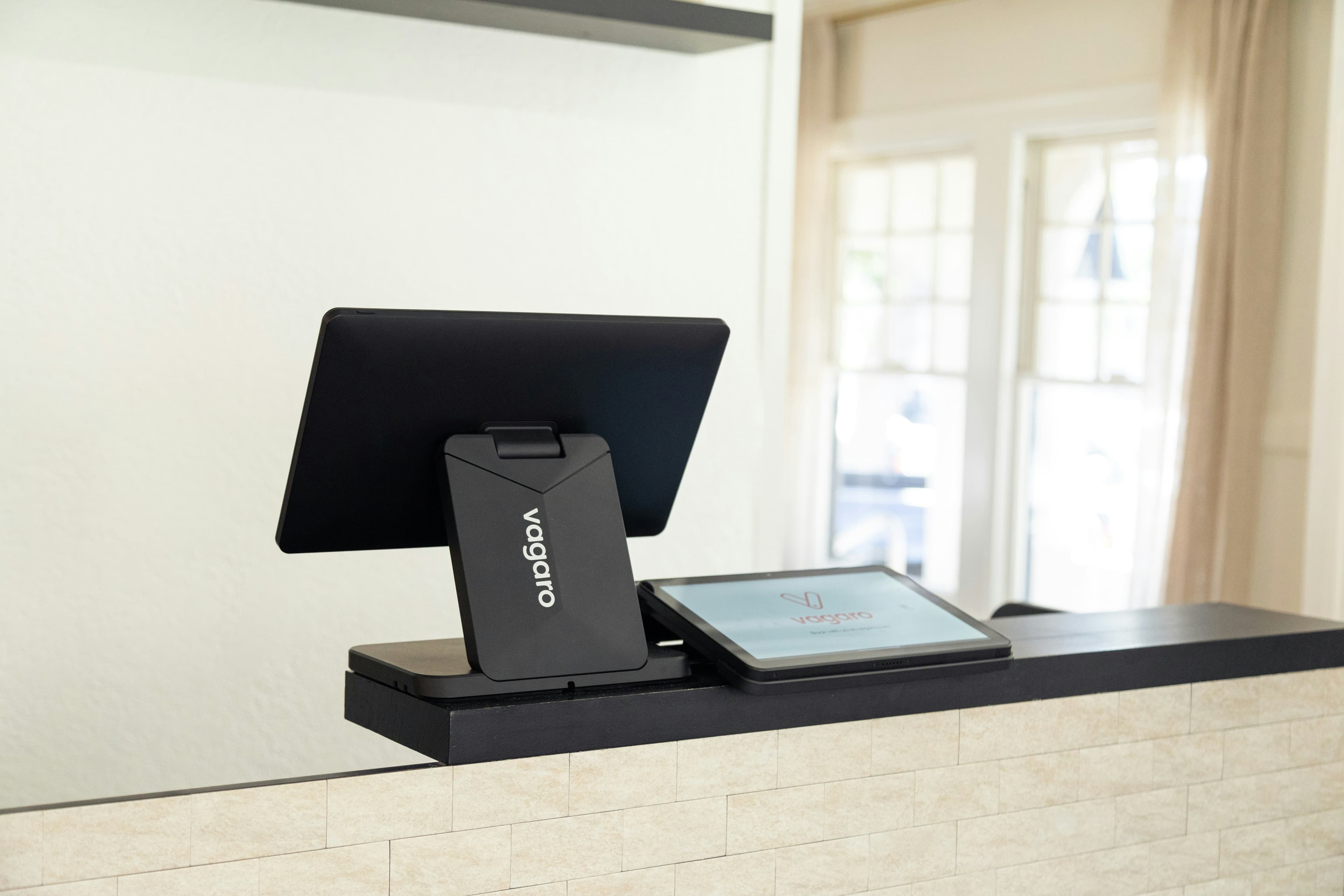
Insurance Verification: The Front-Desk Process That Quietly Bleeds 6-9% of Revenue at South Florida Practices
This post examines the insurance eligibility verification workflow at South Florida medical practices, showing how mid-cycle policy changes and secondary payer coordination create denial exposure that scheduled front-desk checks cannot catch. The structural fix is event-driven re-verification against payer-side change feeds, not more manual checks at the front desk.

Letters of Credit and the 70% Discrepancy Rate: Where AI Document Review Earns Its Keep, and Where It Does Not
Banks reject 60–70% of letters of credit on first presentation for documentary discrepancies, most clerical. Automated document review catches deterministic checks cleanly but cannot adjudicate judgment calls under UCP 600, and that distinction determines whether exporters get paid on time.

Trust Accounting Under Florida Bar Rule 5-1.1: Where AI Helps, and Where It Will Get You Disbarred
This post maps Florida Bar Rule 5-1.1 trust accounting workflows against what agentic automation can safely handle — three-way reconciliation, balance verification, ledger matching — and where operator judgment remains legally non-delegable.
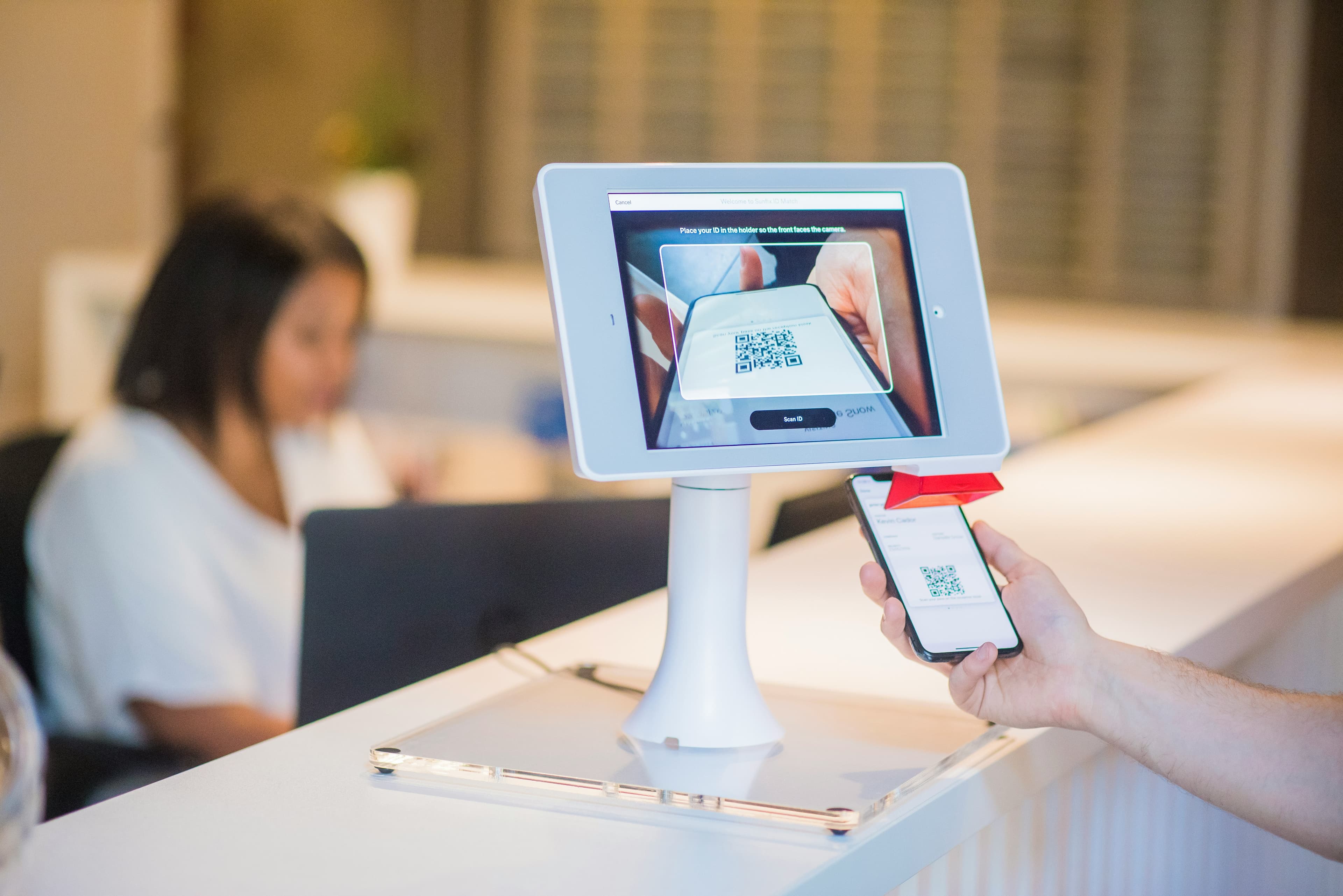
The 47% No-Show Problem: Why Ortho, Ophthal, and Derm Need Different Automation Approaches
No-show rates in ortho, ophthalmology, and dermatology share the same headline number but not the same driver. This post maps the specialty-specific causes and explains why a single reminder automation workflow produces a floor effect at best.

Demurrage and Detention at Port Everglades: Why Most Disputes Are Lost Before They Are Filed
The FMC's May 2024 Final Rule gave Port Everglades importers a procedural defense against wrongful D&D billing. Most cannot use it because their container tracking infrastructure cannot reconstruct the timeline at the granularity the rule requires.
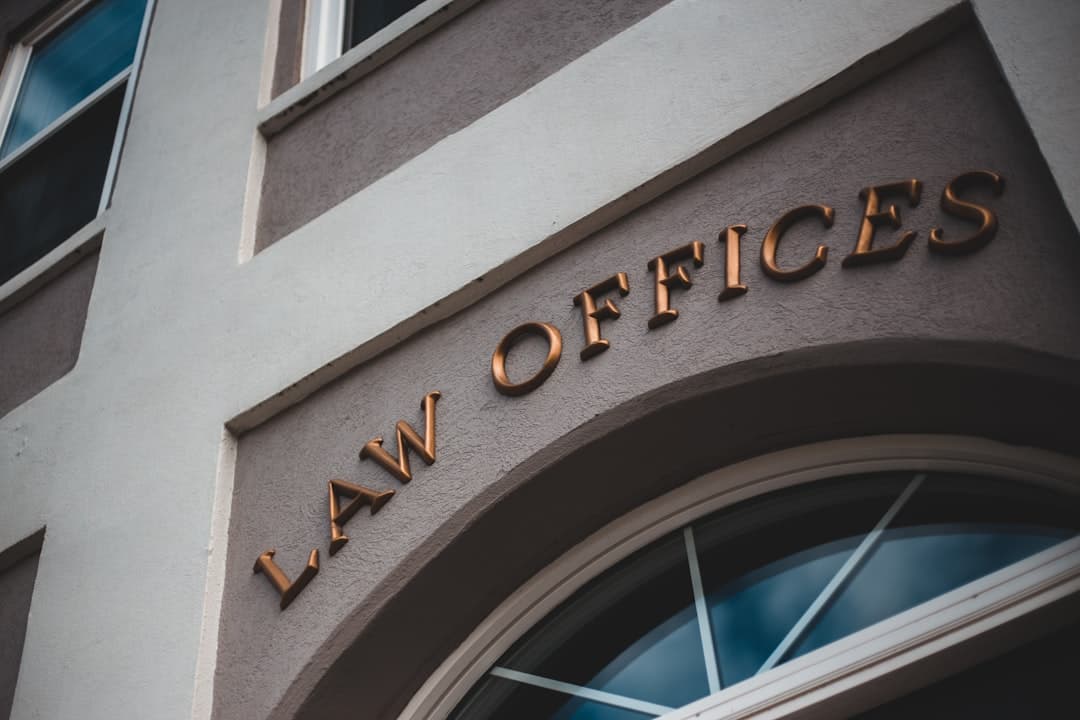
Conflict Checks at Scale: The 1990s Workflow Most Florida Law Firms Are Still Running Against 2026 Liability Exposure
Most mid-size Florida firms run conflict checks via name-search query against outdated databases with no entity-resolution logic. This post examines how adverse parties get missed at intake, in matter histories, and at the subsidiary level, and what agent-driven entity resolution actually changes for operators.

Prior Authorization in Florida: Denials, Resubmissions, and the Half of the Problem Vendors Skip
Most AI prior auth tools automate submission and stop there. This post analyzes the actual cost center — denial reason classification, payer-specific resubmission workflows, and clinical documentation gap-filling — and what Florida practices can do Monday.

One Roof, Two Businesses: Why Dermatology AI Has to Be Built for Both Sides
Every dermatology practice in South Florida runs two business models from one front desk. Most AI platforms are built for one side and bolt the other on. The architectural choice that separates working dermatology AI from expensive disappointment.

Language, Memory, and Jurisdiction: Where Legal AI Breaks Down in a South Florida Practice
National legal AI products are built on assumptions that do not hold in a Coral Gables firm or a Brickell practice. The three breakdowns, and the five questions that surface them before the contract gets signed.

AI Agents for Customs Documentation at Port Everglades: What Works in Production
A workflow-level look at what AI agents actually do inside a customs filing operation — from commercial invoice to CBP ACE — and where they break.
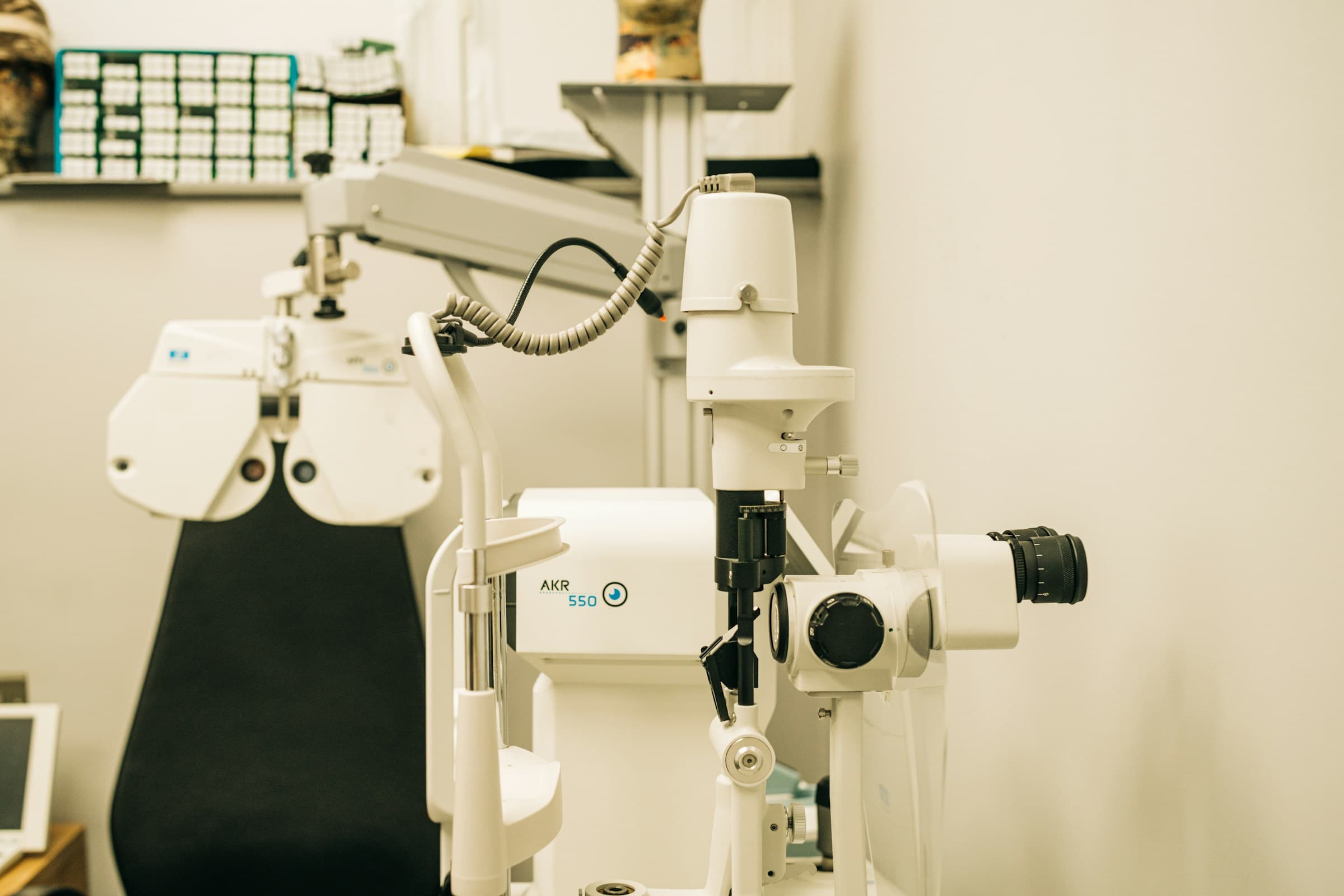
Prior Auths, Portals, and Premium IOLs: Where Ophthalmology Practices Leak the Most Time
A four-physician ophthalmology practice processes 80 to 140 prior authorizations a week — and that's one workflow of five. Where South Florida practices actually leak hours, and what agentic AI does about it.

Customs, Containers, and Cognitive Load: Where AI Agents Fit in South Florida Logistics
Port Everglades and the Port of Miami move more freight each week than most logistics operators can scale to handle. Here's where agentic AI meaningfully cuts overhead — and where it doesn't.

What Agentic AI Actually Means for South Florida Businesses
Most South Florida business owners have seen chatbots, voice assistants, and basic automation — and thought that was AI. It isn't. Here's what agentic AI actually is, and why it's the difference between a novelty and a P&L line item.

Why Your Healthcare Practice Is Losing Revenue to Manual Workflows
A $20M multi-location practice is quietly leaving $3.6M on the table every year — to coding errors, denial rework, and referral leakage. Here's where the money actually goes, and the agentic AI workflows that recover it.

The n8n Security Breach: What It Means for Your Automation Stack
A CVSS 10.0 vulnerability in n8n, sandbox escapes, supply-chain npm attacks, and a compromised OpenClaw skill registry. The companies that moved fastest on AI are now the most exposed. Here's what to do about it.
Stay informed.
Monthly insights on agentic AI, automation security, and what's actually working for South Florida businesses.